
Think of SMS deliverability as four simple questions:
- Did the person agree to get this?
- Does the message clearly show who it’s from?
- Is it technically “easy” for carriers to deliver?
- Are you behaving like a normal, trusted sender?
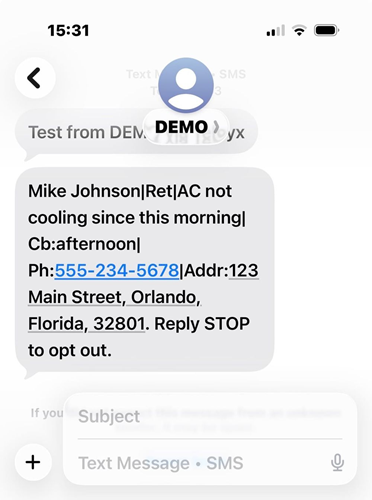
The following are the 15 best practices I follow for improving SMS deliverability for Voice AI:
#1 Ask for explicit opt-in.
# People who never agreed to receive SMS from you are far more likely to reply STOP or mark your message as spam, and carriers track that and then start blocking you.
If it’s not a one‑off transactional message (like a login code), make sure the person explicitly opted in.
For example, they tick a box saying “Text me updates about my booking.”
In your signup flow, you might say: “We’ll text you appointment reminders and important updates. Reply STOP to opt out.”
Don’t buy lists or add people just because they emailed you once.
#2 Start your SMS with your brand name.
If people do not recognise the sender, they are more likely to treat it as spam and block it.
Over time, your reputation score drops, and future messages may get silently filtered or never delivered.
To fix this issue, start your SMS with your brand name and end with a short opt‑out.
For example: “ACME HVAC: Tech arriving between 2–4pm today. Reply STOP to opt out.”